In our increasingly connected world, where every home is packed with sensitive electronics and smart appliances, the threat of electrical surges looms larger than ever. From devastating lightning strikes to the subtle, everyday fluctuations within your own home, these invisible threats can wreak havoc on your valuable equipment. That’s where a panel surge protector steps in, acting as your home’s first and most critical line of defense against these dangerous voltage spikes. This isn’t just another gadget; it’s an essential upgrade for modern living, safeguarding everything from your refrigerator to your smart home hub right at the source: your electrical panel.
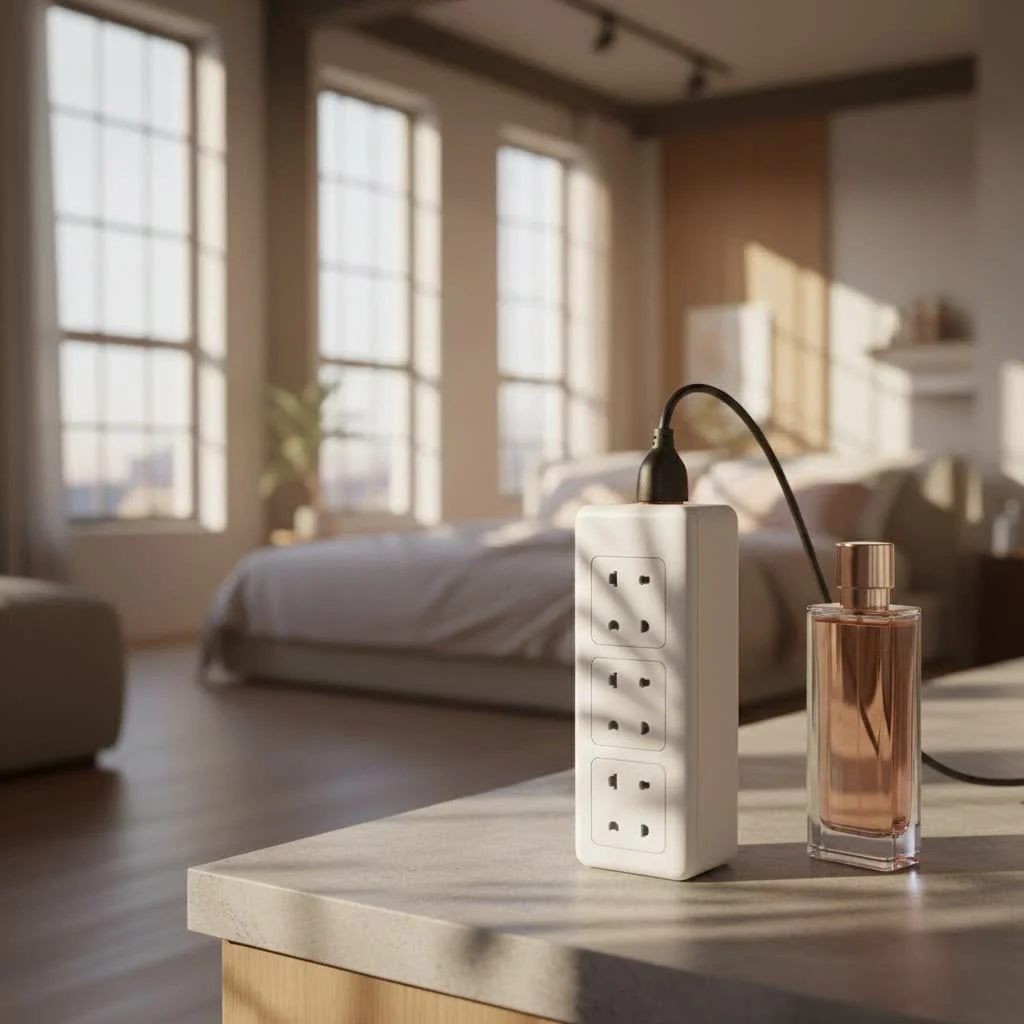
What Exactly is a Panel Surge Protector?
A panel surge protector, often referred to as a whole-house surge protector or a Surge Protective Device (SPD), is an electrical appliance designed to protect your entire home’s electrical system from voltage spikes. Unlike those familiar power strips you plug into an outlet, a panel surge protector is hardwired directly into your main electrical panel. Its job is simple yet vital: when it detects an excessive voltage spike, it quickly diverts that harmful energy away from your household wiring and appliances, safely channeling it into the ground. For see our surge protectors recommendations on this site.
There are generally two types of SPDs you might encounter. Type 1 protectors are usually installed outside, often at your meter base, designed to handle massive external surges like direct lightning strikes. Type 2 panel surge protectors, which we’re focusing on here, are installed inside your main electrical panel. They offer comprehensive protection against both external surges and, crucially, the more frequent, smaller surges originating from within your home. For most residential applications, a Type 2 panel surge protector provides the robust, all-encompassing defense you need.
Why Your Home Needs a Panel Surge Protector: Beyond Basic Protection
Many homeowners rely on power strips for surge protection, but these offer limited, localized defense. A panel surge protector provides a far superior shield, addressing threats that individual strips simply cannot.
Comprehensive Protection for All Your Valuables
Think about all the hardwired appliances in your home: your HVAC system, oven, dishwasher, washing machine, and refrigerator. These critical, often expensive, items are directly connected to your home’s electrical system and completely unprotected by plug-in surge strips. A panel surge protector stands guard over your entire electrical system, ensuring every connected device, from the biggest appliance to the smallest smart plug, receives a layer of protection. This means true, whole-home safeguarding against unexpected electrical assaults.
Combating Internal Surges: The Hidden Threat
|
Our Picks for the Best Surge Protector in 2026
As an Amazon Associate I earn from qualifying purchases.
|
||
| Num | Product | Action |
|---|---|---|
| 1 | Amazon Basics Surge Protector Power Strip, 6-Outlet, 790 Joules, Circuit Breaker, LED Indicator Light, 6ft Extension Cord, Black |

|
| 2 | Amazon Basics Surge Protector Power Strip, 6-Outlet with 200J Protection, 2ft Extension Cord, Rectangle, Black (2 Pack) |
|
| 3 | Surge Protector Outlet Extender - with Rotating Plug, 6 AC Multi Plug Outlet with 4 USB Ports (2 USB C), 1800J Wall Charger, 3-Sided Power Strip with Spaced Outlet Splitter for Home, Office, Travel |
|
| 4 | Surge Protector Power Strip - HANYCONY 8 Outlets 4 USB (2 USB C) Charging Ports, Multi Plug Outlet Extender, 5Ft Braided Extension Cord, Flat Plug Wall Mount Desk Charging Station for Home Office ETL |
|
| 5 | Surge Protector Power Strip - Nuetsa Flat Plug Extension Cord with 8 Outlets and 4 USB Ports, 6 Feet Power Cord (1625W/13A), 2700 Joules, ETL Listed, Black |
|
| 6 | Belkin 12-Outlet Surge Protector Power Strip w/ 12 AC Outlets & 8ft Flat Plug, UL-listed Heavy-Duty Extension Cord for Home, Office, Travel, Computer, Laptop, Charger - 3,940 Joules of Protection |
|
| 7 | Philips 6-Outlet Extender Surge Protector, 2 Pack, Wall Tap, 900 Joules, 3-Prong, Space Saving Design, Protection Indicator LED Light, ETL Listed, White, SPP3466WA/37 |
|
| 8 | SUPERDANNY Surge Protector Power Bar with 6 USB Charging Ports, Mountable Flat Plug Power Strip, 22 Widely-Spaced Outlets, 2100 Joules, 8Ft Heavy Duty Extension Cord for Home, Office, Dorm, Black |
|
| 9 | 3 Prong GFCI Power Strip with 8 Outlets, 4 USB Ports(2 USB A & 2 USB C), 1050J Surge Protector, 6.56 FT Extension Cord with GFCI Plug (ETL Listed) for Home/Office/Kitchen/Dormitory |
|
| 10 | Amazon Basics Surge Protector Power Strip, 6-Outlet, 790 Joules, Circuit Breaker, LED Indicator, 6ft Extension Cord, White |
|
Here’s a surprising fact: a significant majority—around 60% to 80%—of power surges actually originate inside your own home. Every time a large appliance, like your air conditioner or refrigerator compressor, cycles on and off, it can create a momentary voltage spike. While small, these “mini-surges” add up over time, gradually degrading the sensitive internal components of your electronics and appliances. A panel surge protector diligently absorbs these internal fluctuations, preventing that cumulative wear and tear that shortens device lifespans.
Extending Appliance Lifespan and Saving Money
Those constant, subtle surges are like tiny punches to your electronics, leading to premature failure. By mitigating these spikes, a panel surge protector dramatically extends the operational life of your appliances and electronics. Imagine avoiding the sudden need to replace a high-definition television, an advanced computer, or even an entire HVAC unit because of an electrical incident. The upfront investment in a panel surge protector pales in comparison to the potential costs of repairing or replacing multiple damaged devices. It’s a proactive step that protects your wallet in the long run.
Enhanced Safety and Peace of Mind
Beyond protecting your gadgets, panel surge protectors play a crucial role in home safety. Power surges can cause electrical wires to overheat, creating fire hazards within your walls. By controlling voltage spikes, SPDs significantly reduce the risk of electrical fires. Furthermore, they safeguard essential safety devices like smoke detectors and security systems, ensuring they remain operational when you need them most. The National Electrical Code (NEC) recognized this importance, making whole-house surge protection mandatory for new residential construction starting in 2020. Knowing your home is protected from both major external threats and internal electrical disturbances provides an invaluable sense of security, allowing you to relax, even during a thunderstorm.
Choosing the Right Panel Surge Protector: What to Look For
Selecting the ideal panel surge protector involves understanding a few key specifications that dictate its effectiveness.
Firstly, look at the Joule rating. This number indicates how much energy the surge protector can absorb in a single event without failing. Generally, a higher Joule rating signifies greater protection and durability. For whole-house applications, aim for devices with high Joule ratings, often exceeding 1,000 joules and 40,000 amperes, to ensure robust defense against significant surges.
Secondly, consider the kA (kiloampere) rating, which refers to the maximum surge current capacity the device can handle. A higher kA rating means the protector can withstand larger surge events.
Lastly, the clamping voltage is crucial. This is the voltage level at which the surge protector “clamps down” and begins diverting excess electricity. A lower clamping voltage indicates better protection for your sensitive electronics, as it allows less harmful voltage to pass through.
Always ensure the panel surge protector you choose is compatible with your home’s specific electrical panel and voltage requirements (typically 120/240V split-phase for most homes). Opting for reputable brands known for their quality and reliability is always a smart move.
Panel Surge Protector Installation: A Job for the Pros (Mostly)
While installing a panel surge protector might seem like a straightforward DIY task for some, it involves working directly with your home’s main electrical panel and high voltage. This is not a task for the faint of heart or the inexperienced.
The installation process typically involves:
- Shutting off the main power: This is non-negotiable for safety.
- Mounting the surge protector: Often involves knocking out a dedicated opening in your panel.
- Wiring to a dedicated double-pole breaker: A 240V connection is essential.
- Connecting to the grounding system: Proper grounding is paramount; without it, the surge protector cannot effectively divert excess energy.
- Minimizing wire length: Keeping the connecting wires as short and straight as possible maximizes the protector’s effectiveness and response time.
At Wwmsl.com, based on our 20 years of practical experience, we strongly recommend hiring a licensed and qualified electrician for panel surge protector installation. The risks of electrocution, improper wiring, and creating a fire hazard are too significant to ignore. A professional will ensure correct installation, compliance with local electrical codes, and optimal performance, safeguarding your home and your warranty. As electrical safety expert, David Chen, often says, “A panel surge protector is only as good as its installation. Don’t compromise safety for a quick fix – invest in professional expertise for lasting protection.”
Dispelling Myths: Panel Surge Protectors vs. Power Strips
It’s a common misconception that a few surge protector power strips are enough to protect your home. While these strips offer valuable “point-of-use” protection for individual devices plugged into them, they are a secondary line of defense. They typically have lower Joule ratings and are designed for smaller, localized surges. They also cannot protect hardwired appliances or the wiring itself.
A panel surge protector, installed at your main electrical panel, is the primary defense, handling the heavy lifting of large external and internal surges. For ultimate protection, a layered approach is best: install a panel surge protector for whole-home defense, and continue using high-quality surge protector power strips for your most sensitive electronics (like computers and home theater systems) to provide an additional layer of localized protection. They complement each other, offering comprehensive security against the full spectrum of electrical threats.
Conclusion
In today’s interconnected world, protecting your home’s electrical system from voltage surges is no longer an option but a necessity. A panel surge protector offers unparalleled defense, safeguarding all your electronics and appliances, extending their lifespan, and protecting your home from fire hazards. It’s a smart, long-term investment that brings tangible financial benefits and, most importantly, invaluable peace of mind. Don’t wait for a costly surge to remind you of its importance. Take the proactive step to fortify your home’s electrical infrastructure with a robust panel surge protector, installed by a qualified professional, and ensure your valuable assets are shielded against the unexpected.
Get our weekly buyer guide
Practical specs, not advice. Unsubscribe anytime.