Ever felt that heart-stopping moment when the lights flicker, a storm rages, or a heavy appliance kicks on, and you just know something expensive might have taken a hit? In our modern homes, packed with smart tech, high-end appliances, and sensitive electronics, power surges are more than just an inconvenience; they’re a silent threat capable of frying your investments in an instant. This is where the best whole home surge protector steps in, acting as an invisible shield for your entire electrical system.
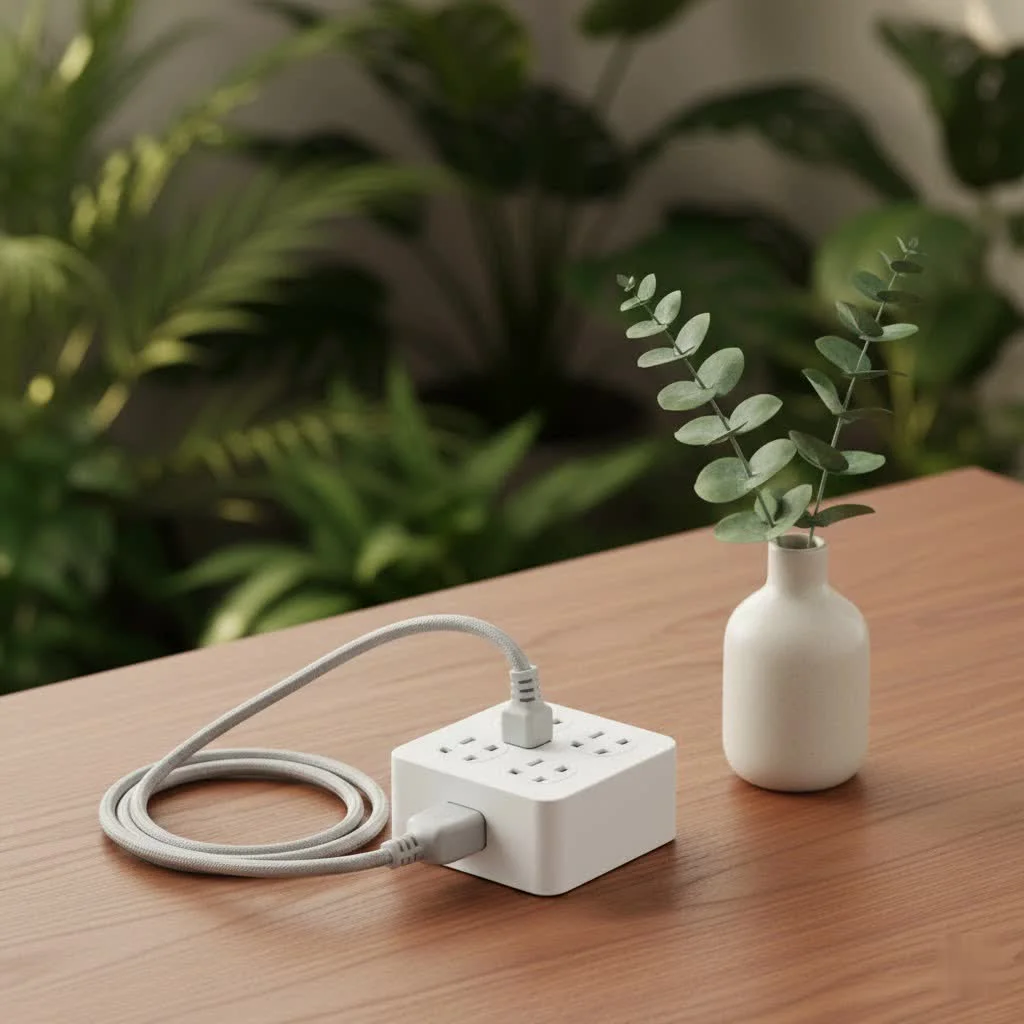
You might be thinking, “But I have power strips!” And while those are good for localized protection, they’re simply not enough to safeguard your entire home’s electrical ecosystem. A whole home surge protector offers comprehensive defense, giving you peace of mind that every connected device, from your refrigerator to your smart thermostat, is protected. Let’s dive deep into understanding these crucial devices, what makes one truly exceptional, and how to pick the perfect guardian for your grid.
What Exactly is a Whole Home Surge Protector and How Does it Work?
Imagine your home’s electrical system as a highway, with electricity flowing smoothly at a consistent voltage. A power surge is like a sudden, uncontrolled spike in traffic—a massive, temporary increase in voltage that can overwhelm and damage anything in its path. These surges can come from external sources like lightning strikes, utility grid fluctuations, or downed power lines, but a surprising 60-80% of surges actually originate inside your home. Think about it: every time your air conditioner cycles on, your refrigerator compressor kicks in, or a large appliance starts up, it creates a small surge that reverberates through your home’s wiring. Over time, these mini-surges can gradually degrade sensitive electronics, shortening their lifespan.
A whole home surge protector, often referred to as a Surge Protective Device (SPD), is hardwired directly into your main electrical panel, making it the first line of defense for your entire house. When it detects an abnormal spike in voltage, it quickly diverts that excess electricity safely to the ground, preventing it from ever reaching your valuable appliances and electronics. It acts like a vigilant bouncer at the club door, letting only the “good” voltage in and kicking out any unwanted electrical spikes.
Why Your Home Absolutely Needs a Whole Home Surge Protector
Investing in the best whole home surge protector isn’t just about gadget protection; it’s about safeguarding your entire household. The benefits are far-reaching and critical in today’s electrically dependent world.
Comprehensive Protection for All Your Valuables
|
Our Picks for the Best Surge Protector in 2026
As an Amazon Associate I earn from qualifying purchases.
|
||
| Num | Product | Action |
|---|---|---|
| 1 | SUPERDANNY Surge Protector Power Bar with 6 USB Charging Ports, Mountable Flat Plug Power Strip, 22 Widely-Spaced Outlets, 2100 Joules, 8Ft Heavy Duty Extension Cord for Home, Office, Dorm, Black |

|
| 2 | Surge Protector Power Strip - Nuetsa Flat Plug Extension Cord with 8 Outlets and 4 USB Ports, 6 Feet Power Cord (1625W/13A), 2700 Joules, ETL Listed, Black |
|
| 3 | Surge Protector Power Strip - HANYCONY 8 Outlets 4 USB (2 USB C) Charging Ports, Multi Plug Outlet Extender, 5Ft Braided Extension Cord, Flat Plug Wall Mount Desk Charging Station for Home Office ETL |
|
| 4 | Amazon Basics Surge Protector Power Strip, 6-Outlet, 790 Joules, Circuit Breaker, LED Indicator Light, 6ft Extension Cord, Black |
|
| 5 | Philips 6-Outlet Extender Surge Protector, 2 Pack, Wall Tap, 900 Joules, 3-Prong, Space Saving Design, Protection Indicator LED Light, ETL Listed, White, SPP3466WA/37 |
|
| 6 | Surge Protector Outlet Extender - with Rotating Plug, 6 AC Multi Plug Outlet with 4 USB Ports (2 USB C), 1800J Wall Charger, 3-Sided Power Strip with Spaced Outlet Splitter for Home, Office, Travel |
|
| 7 | Amazon Basics Surge Protector Power Strip, 6-Outlet, 790 Joules, Circuit Breaker, LED Indicator, 6ft Extension Cord, White |
|
| 8 | 3 Prong GFCI Power Strip with 8 Outlets, 4 USB Ports(2 USB A & 2 USB C), 1050J Surge Protector, 6.56 FT Extension Cord with GFCI Plug (ETL Listed) for Home/Office/Kitchen/Dormitory |
|
| 9 | Amazon Basics Surge Protector Power Strip, 6-Outlet with 200J Protection, 2ft Extension Cord, Rectangle, Black (2 Pack) |
|
| 10 | Belkin 12-Outlet Surge Protector Power Strip w/ 12 AC Outlets & 8ft Flat Plug, UL-listed Heavy-Duty Extension Cord for Home, Office, Travel, Computer, Laptop, Charger - 3,940 Joules of Protection |
|
Unlike power strip surge protectors that only protect what’s plugged directly into them, a whole home unit guards every single item connected to your electrical system. This includes hardwired appliances like your HVAC system, water heater, dishwasher, and even your garage door opener, alongside all your plug-in electronics like TVs, computers, gaming consoles, and smart home devices. It’s truly an “set it and forget it” solution, ensuring continuous protection without having to unplug devices during a storm.
“Many homeowners don’t realize that internal surges from their own appliances are constantly chipping away at their electronics,” explains Sarah Jenkins, a 20-year veteran in electrical safety. “A whole home surge protector is the only way to catch those sneaky, everyday voltage spikes before they cause long-term damage.”
Extends the Lifespan of Your Appliances and Electronics
Even small, undetectable surges can gradually wear down the delicate internal components of your electronics over time. This slow degradation leads to premature failure, forcing you to replace expensive items much sooner than anticipated. By neutralizing these voltage fluctuations, a whole home surge protector significantly extends the operational life of everything electrical in your house, saving you from recurring replacement costs.
Enhanced Safety and Fire Prevention
Power surges, especially large ones from lightning strikes, can cause wires to overheat, melt insulation, and even create sparks. This poses a serious risk of electrical fires within your walls, often unnoticed until it’s too late. A whole home surge protector mitigates this danger by safely diverting dangerous excess voltage, dramatically reducing the risk of overheating and potential fire hazards. It’s an essential layer of safety for your family and your property.
Peace of Mind During Storms and Power Fluctuations
When thunder rolls and lightning flashes, or when the power grid experiences issues, knowing that your home is comprehensively protected brings an invaluable sense of calm. You won’t have to scramble to unplug devices or worry about the fate of your expensive electronics. A whole home surge protector stands guard 24/7, allowing you to focus on what truly matters.
Adds Value to Your Home
In an increasingly tech-reliant world, a home equipped with whole home surge protection is a more attractive prospect for potential buyers. It signals a well-maintained property with a forward-thinking approach to safety and asset protection, potentially increasing your home’s market value.
What to Look For: Choosing the Best Whole Home Surge Protector
Selecting the right whole home surge protector requires understanding a few key technical specifications to ensure it matches your home’s needs.
Surge Capacity (kA Rating)
This is a critical factor, measured in kiloamps (kA). It indicates the maximum amount of surge current the device can absorb before it fails. For most average-sized homes, a surge protector rated between 40kA and 80kA offers robust protection. However, if you live in an area prone to frequent thunderstorms, have a larger service panel (200 amps or more), or own a multitude of high-end electronics and multiple HVAC units, opting for a unit rated up to 100kA or even 120kA would provide superior defense.
- 40kA – 60kA: Suitable for smaller homes with minimal electronics.
- 60kA – 80kA: Standard protection for average-sized homes with typical appliances.
- 100kA – 120kA: Ideal for larger homes or those with valuable electronics and frequent surge exposure.
Clamping Voltage
The clamping voltage is the specific voltage level at which the surge protector “activates” and begins diverting excess electricity. A lower clamping voltage means the device will kick in sooner to block a surge, offering quicker and more effective protection. Look for units with a clamping voltage of 400 volts or less for optimal performance.
Joule Rating
The joule rating measures the amount of energy the surge protector can absorb before its protective components degrade. While less critical for whole home protectors (which handle massive surges and rely more on kA ratings), a higher joule rating is always a good indicator of the device’s overall robustness.
UL 1449 Certification
Always, always ensure the whole home surge protector you choose carries a UL 1449 certification. This third-party certification from Underwriters Laboratories confirms that the product has met stringent safety and performance standards. It’s your assurance that the device is reliable and effective.
Type 1 vs. Type 2 Surge Protectors
Whole home surge protectors primarily fall into two categories:
- Type 1 SPDs: These are installed on the utility side of your main electrical service entrance, typically between the utility meter and your main electrical panel. They provide the highest level of protection against external surges like lightning strikes and grid fluctuations, before electricity even enters your home’s main panel.
- Type 2 SPDs: These are installed directly onto your main electrical panel. They protect against both external surges that bypass Type 1 protectors (or if you don’t have one) and, critically, against internal surges originating from your home’s own appliances. Many homeowners opt for a Type 2 protector as it offers excellent all-around protection and is often easier to install after initial home construction. Some advanced units even combine the capabilities of both types for ultimate coverage.
For comprehensive defense, some experts recommend a “layered approach” – a Type 1 protector at the service entrance, a Type 2 at the main panel, and Type 3 (point-of-use) power strips for highly sensitive individual electronics.
Compatibility with Your Electrical Panel
Whole home surge protectors are not one-size-fits-all. It’s crucial to select a unit that is compatible with your home’s electrical panel, matching its amperage (e.g., 100-amp, 150-amp, or 200-amp service). Some models mount inside the panel, while others are installed outside and connect via a dedicated breaker. An electrician can assess your specific setup and recommend the best fit.
Installation: A Job for the Pros
While the idea of a DIY project might be tempting, installing a whole home surge protector involves working directly with your home’s main electrical panel, which contains live wires and high voltages. This is inherently dangerous and should always be handled by a licensed and experienced electrician.
A professional will ensure:
- Safe Installation: They have the expertise to safely work with high-voltage electricity, preventing hazards.
- Correct Sizing and Placement: They can accurately assess your home’s electrical load and identify the optimal placement for the surge protector.
- Code Compliance: Ensuring the installation meets all local electrical codes and regulations.
- Warranty Preservation: Many manufacturers’ warranties require professional installation.
The cost for a whole home surge protector unit typically ranges from $70 to $700, with an average around $300. Professional installation labor usually adds another $150 to $200, bringing the total average cost to anywhere from $220 to $900. While this might seem like an upfront investment, consider the potential cost of replacing multiple damaged appliances and electronics, which can easily run into thousands of dollars.
How Long Do Whole Home Surge Protectors Last?
Think of a whole home surge protector like a sturdy sponge absorbing impacts. Every time it diverts a surge, it takes a small hit. Over time, its protective capacity gradually diminishes. On average, a whole home surge protector will last between 3 to 5 years, depending on the frequency and intensity of power surges it encounters. These devices are typically replaced rather than repaired. Many units come with an indicator light (often green) that tells you it’s active and protecting; if this light goes out or changes color, it’s a clear signal that the device has reached its capacity and needs replacement. Regular inspection by an electrician can also help monitor its health.
Frequently Asked Questions About Whole Home Surge Protectors
Q1: Can a whole home surge protector protect against a direct lightning strike?
A: While a whole home surge protector offers significant protection against indirect lightning strikes and surges caused by lightning, it cannot fully safeguard your home from a direct lightning strike’s catastrophic energy. For comprehensive lightning protection, you would also need a robust lightning rod system in addition to your surge protector.
Q2: Is a whole home surge protector better than surge protector power strips?
A: Absolutely. Whole home surge protectors protect all appliances and electronics connected to your home’s electrical system, including hardwired ones. Power strips only protect the devices directly plugged into them and offer limited protection, primarily against smaller surges. They can work in conjunction for layered protection, but a whole home unit provides the foundational defense.
Q3: How do I know what kA rating I need?
A: For most average homes, a 40kA to 80kA rating is sufficient. If you have a larger home, expensive electronics, smart home systems, or live in an area with frequent power disturbances, consider a higher rating, such as 100kA or 120kA, for enhanced protection. An electrician can help assess your specific needs.
Q4: Will a whole home surge protector save me money?
A: Yes, in the long run. By preventing damage to your costly appliances and electronics, it eliminates the need for expensive repairs or replacements. The initial investment often pales in comparison to the potential financial losses from unprotected devices.
Q5: Can I install a whole home surge protector myself?
A: No. Due to the inherent dangers of working with your home’s main electrical panel, which carries high voltage, installation should only be performed by a qualified and licensed electrician. This ensures safety, proper function, and adherence to electrical codes.
Q6: What’s the difference between a Type 1 and Type 2 whole home surge protector?
A: Type 1 SPDs are installed before your main electrical panel, typically at the service entrance, for primary protection against external surges like lightning. Type 2 SPDs are installed at your main electrical panel and protect against both external surges that may bypass Type 1, and crucially, internal surges originating within your home.
Your Home Deserves the Best Protection
In an age where our lives are increasingly intertwined with technology, protecting our electrical investments is no longer a luxury but a necessity. The best whole home surge protector is a silent guardian, working tirelessly behind the scenes to shield your entire household from the unpredictable and often damaging world of power surges.
Don’t wait for a flicker or a bang to realize the true value of robust surge protection. Take control, invest wisely, and give your home the comprehensive defense it deserves. Reach out to a certified electrician today to discuss the ideal whole home surge protector for your unique needs. Your appliances, your peace of mind, and your wallet will thank you.
Get our weekly buyer guide
Practical specs, not advice. Unsubscribe anytime.