In our modern world, every home is a hub of electronic activity. From the smart refrigerator keeping your groceries fresh to the computer where you work or unwind, our lives are intricately connected to sensitive electronics. But what happens when an unexpected jolt of electricity, a “power surge,” threatens to wipe it all out in an instant? That’s where a House Surge Protector steps in, acting as your home’s unsung hero, safeguarding everything you value.
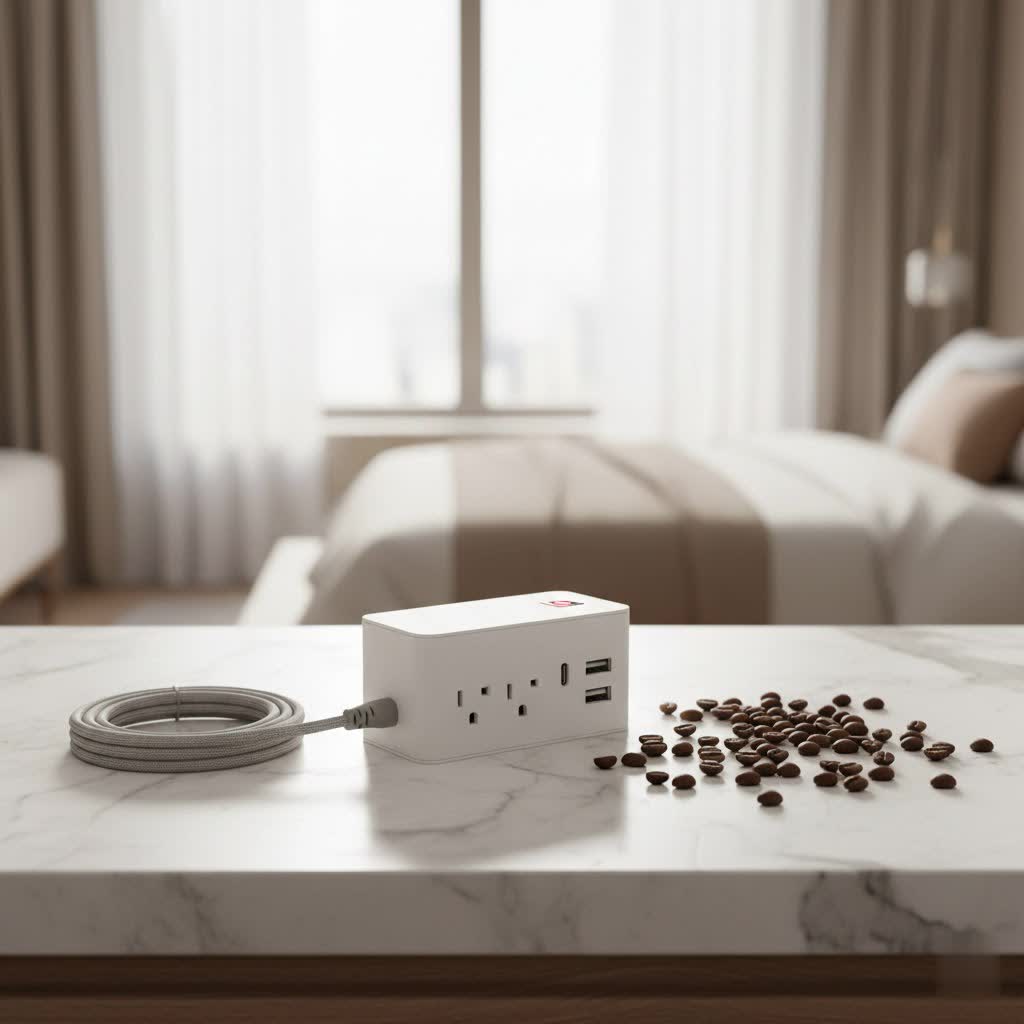
You might be thinking, “Don’t my power strips already do that?” While those trusty strips offer some localized protection, a whole house surge protector takes your home’s electrical defense to an entirely different level. It’s the ultimate guardian against the unpredictable nature of electrical surges, providing comprehensive protection for all your connected devices and appliances, right from the main electrical panel. Let’s dive into why this isn’t just a luxury, but a critical investment for every homeowner today.
What is a House Surge Protector and How Does It Work?
At its core, a house surge protector, often referred to as a Whole Home Surge Protective Device (SPD), is a specialized unit installed directly at your home’s main electrical panel. Its primary job is to stand guard at the entryway of your electrical system, ready to intercept and divert any sudden, dangerous spikes in voltage before they can travel through your household wiring and wreak havoc on your valuable electronics and appliances.
Think of your electrical system like a highway, and normal electricity flow as cars driving smoothly. A power surge is like a massive, uncontrolled truck suddenly barreling down that highway, threatening to crash into everything in its path. A whole house surge protector acts as an emergency off-ramp. When that “truck” (excess voltage) comes along, the SPD quickly opens the off-ramp, diverting the dangerous surge away from your home’s sensitive devices and safely shunting it into the ground. This process happens in mere nanoseconds, often before you even notice anything has occurred.
Unlike small, plug-in power strips that only protect devices plugged directly into them, a whole house surge protector shields every single outlet, appliance, and device connected to your electrical system. This means comprehensive protection for everything from your HVAC system and washing machine to your smart TV and gaming console, ensuring a complete blanket of safety.
Why Your Home Needs Comprehensive Surge Protection
Our homes are filled with an estimated $15,000 worth of electronics, and they can experience up to 100 surges per month. These aren’t just rare events; they’re a constant, silent threat to the longevity and functionality of your devices.
The Unseen Threat: Understanding Power Surges
Power surges aren’t just about dramatic lightning strikes, though those are certainly a concern. While a direct lightning strike near your home can indeed send tens of thousands of volts through your electrical lines, it’s actually the more frequent, smaller surges that often cause cumulative, long-term damage you might not even notice until it’s too late.
So, what causes these surges? They can come from various sources:
- External Factors: Lightning is the most dramatic, but grid fluctuations, utility switching, and even power outages that suddenly restore power can send voltage spikes your way.
- Internal Factors: Believe it or not, your own large appliances like air conditioners, refrigerators, washing machines, and even vacuum cleaners can create mini-surges as their motors turn on and off. These internal surges, though smaller, can degrade your electronics over time, shortening their lifespan without any visible signs. As electrical consultant Andy Ligor points out, “You might not even notice it. Then a year or so later your microwave stops working.”
|
Our Picks for the Best Surge Protector in 2026
As an Amazon Associate I earn from qualifying purchases.
|
||
| Num | Product | Action |
|---|---|---|
| 1 | Philips 6-Outlet Extender Surge Protector, 2 Pack, Wall Tap, 900 Joules, 3-Prong, Space Saving Design, Protection Indicator LED Light, ETL Listed, White, SPP3466WA/37 |

|
| 2 | 3 Prong GFCI Power Strip with 8 Outlets, 4 USB Ports(2 USB A & 2 USB C), 1050J Surge Protector, 6.56 FT Extension Cord with GFCI Plug (ETL Listed) for Home/Office/Kitchen/Dormitory |
|
| 3 | Surge Protector Outlet Extender - with Rotating Plug, 6 AC Multi Plug Outlet with 4 USB Ports (2 USB C), 1800J Wall Charger, 3-Sided Power Strip with Spaced Outlet Splitter for Home, Office, Travel |
|
| 4 | Belkin 12-Outlet Surge Protector Power Strip w/ 12 AC Outlets & 8ft Flat Plug, UL-listed Heavy-Duty Extension Cord for Home, Office, Travel, Computer, Laptop, Charger - 3,940 Joules of Protection |
|
| 5 | Amazon Basics Surge Protector Power Strip, 6-Outlet with 200J Protection, 2ft Extension Cord, Rectangle, Black (2 Pack) |
|
| 6 | SUPERDANNY Surge Protector Power Bar with 6 USB Charging Ports, Mountable Flat Plug Power Strip, 22 Widely-Spaced Outlets, 2100 Joules, 8Ft Heavy Duty Extension Cord for Home, Office, Dorm, Black |
|
| 7 | Amazon Basics Surge Protector Power Strip, 6-Outlet, 790 Joules, Circuit Breaker, LED Indicator Light, 6ft Extension Cord, Black |
|
| 8 | Surge Protector Power Strip - HANYCONY 8 Outlets 4 USB (2 USB C) Charging Ports, Multi Plug Outlet Extender, 5Ft Braided Extension Cord, Flat Plug Wall Mount Desk Charging Station for Home Office ETL |
|
| 9 | Amazon Basics Surge Protector Power Strip, 6-Outlet, 790 Joules, Circuit Breaker, LED Indicator, 6ft Extension Cord, White |
|
| 10 | Surge Protector Power Strip - Nuetsa Flat Plug Extension Cord with 8 Outlets and 4 USB Ports, 6 Feet Power Cord (1625W/13A), 2700 Joules, ETL Listed, Black |
|
These brief spikes, even minor ones, can gradually wear down the delicate circuitry in your electronics, leading to premature failure, data loss, and costly repairs or replacements.
Protecting Your Valuable Investments
Investing in a whole house surge protector isn’t just about avoiding a catastrophic event; it’s about preserving the life and functionality of every electronic device in your home. Imagine the peace of mind knowing that:
- Smart Home Devices: Your smart thermostats, security cameras, smart lighting, and voice assistants are safe from sudden jolts.
- Major Appliances: Your expensive refrigerator, oven, washing machine, and dishwasher are protected from internal and external surges, extending their operational life.
- Computers and Entertainment Systems: Your crucial work documents, cherished digital photos, and immersive entertainment experiences won’t be wiped out by an unexpected voltage spike.
- Saving Money, Memories, & Time: Preventing damage means avoiding expensive repair bills, the hassle of replacing beloved (and often irreplaceable) electronics, and the frustration of losing precious data.
Types of Surge Protection: A Layered Approach
For truly robust protection, experts recommend a “layered approach” to surge protection. This combines the might of a whole house surge protector with targeted, point-of-use devices.
Whole-House Surge Protectors: Your First Line of Defense
As we’ve discussed, these devices are installed at your main electrical panel and act as the first and most powerful line of defense. They are designed to handle significant voltage spikes, often rated to absorb surges of 40,000 amps or more. This comprehensive coverage means that every circuit in your home is under its watchful eye.
However, even the most robust whole-house suppressors might allow a very small percentage of excess voltage to pass through. This isn’t a flaw, but a characteristic that makes the layered approach so effective.
Point-of-Use Surge Protectors & UPS Systems
This is where your familiar power strips and more advanced Uninterruptible Power Supply (UPS) systems come into play.
- Power Strip Surge Protectors: Not all power strips offer surge protection, so it’s vital to choose wisely. Look for strips with a UL 1449 certification, a clamping voltage of 400 volts or less, and an energy absorption rating of at least 600 joules. These are ideal for protecting individual, sensitive electronics like TVs, computers, and gaming consoles at the point of connection. They act as a secondary filter, catching any residual surges that might have bypassed the main whole-house protector.
- Uninterruptible Power Supply (UPS): For your most critical electronics, like desktop computers, network routers, and medical equipment, a UPS system offers the gold standard of protection. Beyond surge suppression, a UPS provides battery backup power, allowing you to safely shut down your equipment during an outage, preventing data loss and sudden, damaging power cuts. They also offer “power conditioning,” smoothing out minor fluctuations that can degrade electronics over time.
By combining whole-house protection with point-of-use devices, you create a robust, multi-stage defense system that significantly reduces your risk of damage from various types of surges.
Key Features to Look For in a House Surge Protector
When you’re ready to invest in a whole house surge protector, knowing what features matter can make all the difference in selecting the right unit for your home:
- Response Time and Clamping Voltage: The faster the response time (ideally less than a nanosecond) and the lower the clamping voltage (400 volts or less), the quicker and more effectively the protector will divert excess voltage, offering superior defense for your sensitive electronics.
- Joule Rating: This indicates how much energy a surge protector can absorb before it wears out. For whole-house systems, look for ratings between 20,000 and 40,000 amps. For plug-in protectors, a minimum of 600 joules is recommended, with higher ratings providing longer-lasting protection.
- UL Certification: Always ensure the device meets UL Standard 1449 (specifically, the second edition or later). This certification from Underwriters Laboratories guarantees that the surge protector meets rigorous safety and performance standards, adhering to national electrical codes.
- Indicator Lights and Alarms: These are incredibly important features. Quality surge protectors will have lights or alarms that tell you when the device has successfully absorbed a surge or if it’s no longer functional. Since surge protectors degrade over time without visible damage, these indicators are crucial for knowing when it’s time for a replacement.
Installation and Maintenance: Ensuring Lasting Protection
A house surge protector is a sophisticated piece of equipment, and its effectiveness hinges on proper installation and ongoing maintenance.
For a whole-house surge protector, professional installation by a licensed electrician is not just recommended, it’s crucial. These devices connect directly to your home’s main electrical panel, requiring specialized knowledge to ensure correct wiring and, critically, proper grounding. Without a robust ground connection, the diverted electricity won’t have a safe path to dissipate, potentially leading to continued damage. “A whole house surge protector is the backbone of your home’s electrical defense, and just like any foundation, it needs to be installed by a seasoned professional to ensure peak performance and safety,” advises Sarah Jenkins, a master electrician with over 15 years of experience in residential electrical systems.
It’s a common misconception that surge protectors last forever. In reality, each surge they absorb, whether large or small, diminishes their capacity. While whole-house units are designed for durability, their lifespan typically ranges from 3 to 5 years, depending on your home’s exposure to surges. Plug-in power strips generally need replacing every two to three years or immediately after a major surge event. Regular checks of indicator lights on your devices and an annual inspection of your whole-house system by an electrician will ensure your home remains continuously protected.
Cost vs. Savings: A Smart Investment
While there’s an initial investment involved in setting up comprehensive surge protection, the potential savings from preventing damage far outweigh the upfront costs.
-
Initial Investment:
- Whole-house surge protectors typically cost between $100 and $200 per unit, plus an additional $200-$400 for professional installation by a licensed electrician.
- Quality power strip surge protectors range from $20 to $70 each.
- UPS systems can cost $100 to $350, depending on their capacity and features.
-
Potential Savings from Damage Prevention: Consider the real cost of a single major surge. As electrical contractor Allen Gallant once recounted, a home that opted out of whole-house surge protection suffered an $11,000 loss after a lightning strike fried major appliances, computers, and numerous electrical components. Compare this to the relatively modest cost of a comprehensive surge protection system, which is typically less than $1,000 total. It’s clear that this investment isn’t just about protection; it’s about financial prudence and safeguarding your daily life.
Frequently Asked Questions (FAQ)
How often should I replace my surge protector?
You should replace plug-in surge protectors every two to three years, or immediately after a major surge event. Whole-house surge protectors typically last 3 to 5 years, but it’s wise to have them inspected annually by an electrician and replace them if their indicator lights show they’re no longer active.
Can a whole-house surge protector protect against lightning?
A whole-house surge protector can significantly reduce the risk of damage from lightning strikes by diverting the extreme voltage. However, no surge protector can offer 100% guaranteed protection against a direct lightning strike to your home, which carries immense power. They are most effective against indirect strikes and other types of power surges.
Is professional installation necessary for a whole-house surge protector?
Yes, professional installation by a licensed electrician is highly recommended and often required for whole-house surge protectors. These devices connect directly to your main electrical panel, and incorrect installation can be dangerous and ineffective, potentially violating electrical codes.
What’s the difference between a surge protector and a power strip?
A power strip simply adds more outlets. A surge protector, on the other hand, contains components (like MOVs) designed to divert excess voltage away from connected devices. Many power strips do not offer any surge protection at all, so always check for UL 1449 certification if you intend it for surge protection.
What does a joule rating mean?
The joule rating indicates the amount of energy a surge protector can absorb before it fails or wears out. A higher joule rating means the device can withstand more surges or larger surges over time, offering longer-lasting and more robust protection. For whole-house systems, higher ampere ratings (e.g., 40,000 amps) are typically discussed.
The Ultimate Peace of Mind for Your Home
In an age where our homes are powered by an ever-growing array of sophisticated electronics, the need for robust protection has never been greater. A house surge protector stands as your home’s silent guardian, offering an indispensable layer of defense against the relentless threat of power surges. From safeguarding your valuable appliances and sensitive smart devices to preserving your precious digital memories, this essential investment offers far more than just electrical protection – it offers unparalleled peace of mind.
Don’t wait for the next storm or a sudden power fluctuation to remind you of the risks. Take proactive steps today to secure your home’s electrical future. Explore quality whole-house surge protectors and consider a layered protection strategy. Your electronics, your budget, and your peace of mind will thank you for it. Share your experiences or questions about surge protection in the comments below – let’s keep our homes safe and sound!
