In our increasingly interconnected world, our homes and offices are brimming with sensitive electronics, from smart TVs and gaming consoles to crucial home office setups and advanced smart home systems. While these devices bring immense convenience, they are incredibly vulnerable to an often-overlooked threat: electrical surges. These sudden, powerful spikes in voltage can instantly fry circuitry, corrupt data, or drastically shorten the lifespan of your valuable equipment. That’s where a robust Electrical Surge Protector steps in, acting as the silent guardian for your digital life.
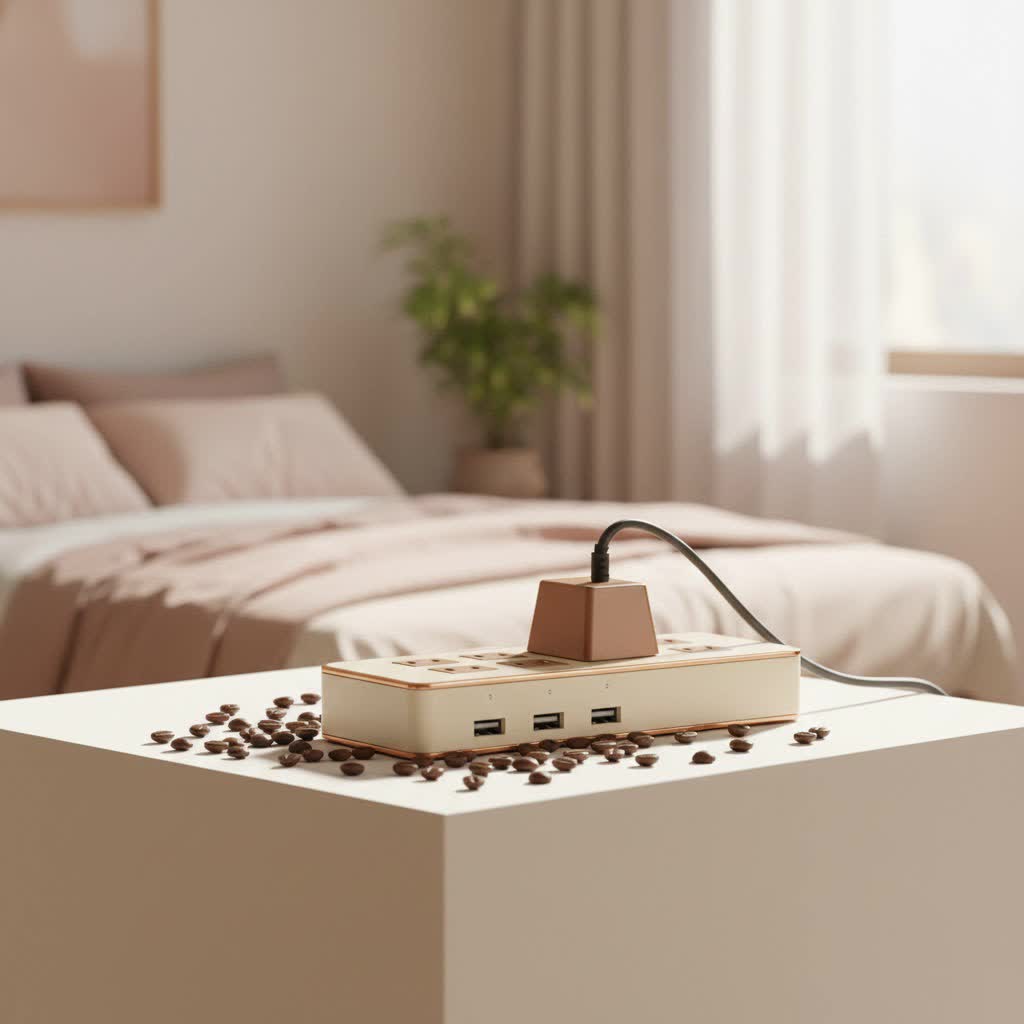
This comprehensive guide, brought to you by the experts at Wwmsl.com, will demystify everything you need to know about electrical surge protectors. We’ll delve into how these vital devices work, explore the different types available, and empower you with the knowledge to choose, maintain, and recognize when it’s time to replace your surge protection, ensuring your electronics stay safe and sound.
What Exactly is an Electrical Surge Protector?
At its core, an electrical surge protector is a device designed to shield electrical devices from “transient voltage spikes,” more commonly known as power surges. Think of it like a bouncer at a club, letting in only the “normal” voltage and kicking out any unruly, excessively high voltage that tries to get through.
These surges are rapid, short-duration increases in voltage that far exceed the standard operating voltage (e.g., 120V in North America). They can originate from various sources, both external and internal:
- External Sources: The most dramatic, but least frequent, cause is lightning strikes, even those miles away that send surges through power lines. Utility company grid switching, where large power loads are redirected, can also induce surges.
- Internal Sources: Surprisingly, up to 80% of surges originate within your own home or facility. These typically happen when high-powered appliances like air conditioners, refrigerators, washing machines, or power tools cycle on and off, creating temporary fluctuations in the electrical flow.
It’s crucial to understand that an electrical surge protector is not the same as a basic power strip. A power strip merely provides additional outlets, while a surge protector actively defends against harmful voltage spikes, making it an essential investment for any sensitive electronics.
The Science Behind the Shield: How Electrical Surge Protectors Work
So, how does this protective magic happen? Most electrical surge protectors utilize components like Metal Oxide Varistors (MOVs) or Gas Discharge Tubes (GDTs) to do their job. These components act as a variable resistor, meaning their electrical resistance changes depending on the voltage.
Under normal operating conditions, an MOV has a very high resistance, allowing electricity to flow cleanly to your devices. However, when a power surge occurs and the voltage suddenly rises above a safe threshold (known as the clamping voltage), the MOV’s resistance rapidly drops. This causes the excess current from the surge to be diverted away from your connected devices and safely channeled into your home’s grounding wire. Once the voltage returns to normal, the MOV’s resistance increases again, and the protector resumes its passive state.
Key performance metrics help you understand the capability of an electrical surge protector:
- Clamping Voltage: This is the voltage level at which the surge protector “clamps down” and begins diverting excess electricity. A lower clamping voltage (e.g., 330V or 400V) indicates more sensitive and thus better protection, as it activates sooner.
- Joule Rating: Measured in joules, this indicates the amount of energy an electrical surge protector can absorb before its internal components degrade or fail. A higher joule rating means the device can withstand more surges or larger surges over its lifetime. Think of it as the surge protector’s “storage capacity” for unwanted energy.
- Response Time: This refers to how quickly the surge protector can react to a voltage spike. Modern devices react in nanoseconds, which is crucial given the incredibly short duration of most surges.
Types of Electrical Surge Protectors: Finding the Right Fit
Just as there are different levels of threats, there are different types of electrical surge protectors tailored to specific needs:
Plug-in Surge Protectors (Type 3 SPDs)
These are perhaps the most common type, resembling multi-outlet power strips. They are ideal for individual electronics and workstations, offering localized protection for devices directly plugged into them.
- Ideal Use Cases: Computers, monitors, printers, televisions, gaming consoles, home theater systems, and small kitchen appliances.
- Key Features: Many come with multiple AC outlets, USB charging ports, and sometimes even protection for coaxial cables (for TVs/internet) or Ethernet lines. They are convenient and easy to use.
- Important Note: For optimal performance, plug-in surge protectors (Type 3 SPDs) should be installed a minimum conductor length of 30 feet from your main electrical service panel. This allows for a multi-stage protection approach when combined with whole-house solutions.
|
Our Picks for the Best Surge Protector in 2026
As an Amazon Associate I earn from qualifying purchases.
|
||
| Num | Product | Action |
|---|---|---|
| 1 | Surge Protector Power Strip - HANYCONY 8 Outlets 4 USB (2 USB C) Charging Ports, Multi Plug Outlet Extender, 5Ft Braided Extension Cord, Flat Plug Wall Mount Desk Charging Station for Home Office ETL |

|
| 2 | SUPERDANNY Surge Protector Power Bar with 6 USB Charging Ports, Mountable Flat Plug Power Strip, 22 Widely-Spaced Outlets, 2100 Joules, 8Ft Heavy Duty Extension Cord for Home, Office, Dorm, Black |
|
| 3 | 3 Prong GFCI Power Strip with 8 Outlets, 4 USB Ports(2 USB A & 2 USB C), 1050J Surge Protector, 6.56 FT Extension Cord with GFCI Plug (ETL Listed) for Home/Office/Kitchen/Dormitory |
|
| 4 | Belkin 12-Outlet Surge Protector Power Strip w/ 12 AC Outlets & 8ft Flat Plug, UL-listed Heavy-Duty Extension Cord for Home, Office, Travel, Computer, Laptop, Charger - 3,940 Joules of Protection |
|
| 5 | Surge Protector Power Strip - Nuetsa Flat Plug Extension Cord with 8 Outlets and 4 USB Ports, 6 Feet Power Cord (1625W/13A), 2700 Joules, ETL Listed, Black |
|
| 6 | Philips 6-Outlet Extender Surge Protector, 2 Pack, Wall Tap, 900 Joules, 3-Prong, Space Saving Design, Protection Indicator LED Light, ETL Listed, White, SPP3466WA/37 |
|
| 7 | Amazon Basics Surge Protector Power Strip, 6-Outlet, 790 Joules, Circuit Breaker, LED Indicator, 6ft Extension Cord, White |
|
| 8 | Amazon Basics Surge Protector Power Strip, 6-Outlet with 200J Protection, 2ft Extension Cord, Rectangle, Black (2 Pack) |
|
| 9 | Amazon Basics Surge Protector Power Strip, 6-Outlet, 790 Joules, Circuit Breaker, LED Indicator Light, 6ft Extension Cord, Black |
|
| 10 | Surge Protector Outlet Extender - with Rotating Plug, 6 AC Multi Plug Outlet with 4 USB Ports (2 USB C), 1800J Wall Charger, 3-Sided Power Strip with Spaced Outlet Splitter for Home, Office, Travel |
|
Whole-House Surge Protectors (Type 1 & 2 SPDs)
For the most comprehensive defense, a whole-house electrical surge protector is installed directly at your main electrical panel. This “first line of defense” shields your entire home’s electrical system, including major appliances and built-in systems, from surges as they enter your property.
- Comprehensive Protection: These devices protect all circuits and connected equipment throughout your home, including your HVAC system, refrigerator, washing machine, and even dedicated circuits for electric vehicle chargers.
- Installation: Whole-house units are typically hardwired into your main electrical panel and should always be installed by a licensed electrician.
- Types 1 and 2:
- Type 1 SPDs are installed on the line side of the main service disconnect (before the main breaker) or at the service entrance, often used in commercial or industrial settings, or where a lightning protection system is present.
- Type 2 SPDs are installed on the load side of the main service disconnect (after the main breaker), typically within the main electrical panel. They protect against both external surges that penetrate the main service and internal surges generated by large appliances. Many homeowners opt for a Type 2 protector for robust all-around protection.
Why You Absolutely Need an Electrical Surge Protector
Investing in an electrical surge protector isn’t just a precaution; it’s a necessity in today’s electronic-heavy world. Here’s why:
- Protecting Valuable Electronics and Extending Lifespan: Even small, frequent surges, often unnoticed, can slowly degrade sensitive electronic components over time, leading to premature failure. A quality electrical surge protector absorbs these daily assaults, significantly extending the life of your devices.
- Preventing Data Loss and System Malfunctions: Imagine losing critical work documents, family photos, or corrupted gaming saves due to a sudden power spike. Surge protectors prevent this by safeguarding the delicate microprocessors within your computers, hard drives, and other smart devices.
- Mitigating Fire Hazards: Power surges can cause electrical circuits to overheat, melt wiring insulation, and potentially spark, leading to dangerous electrical fires. By diverting excess current, surge protectors help reduce the strain on your home’s electrical system, significantly lowering this risk.
- Providing Peace of Mind: Knowing that your expensive electronics and your entire home’s electrical system are protected offers invaluable peace of mind, especially during thunderstorms or when utility work is being performed.
- Convenience of Extra Outlets: While not their primary function, many plug-in surge protectors also offer multiple outlets, often with generous spacing, and sometimes USB ports, allowing you to power several devices safely from a single wall socket.
Choosing Your Champion: Key Factors for Selecting an Electrical Surge Protector
Selecting the right electrical surge protector means understanding a few key specifications. Here’s what to look for:
- Joule Rating: As discussed, a higher joule rating means greater protection capacity.
- Basic Electronics (lamps, clocks): 500-1000 joules.
- Office Equipment (computers, printers, routers): 1000-2000 joules.
- High-Value/Sensitive Electronics (home theater, gaming PCs, expensive TVs): 2000+ joules. For critical equipment, aim for the highest joule rating you can find.
- Clamping Voltage: Aim for a clamping voltage of 400V or lower. The lower this number, the faster and more effectively the electrical surge protector will activate to divert excess voltage away from your devices.
- UL 1449 Certification: Always look for a device that is UL (Underwriters Laboratories) listed with a UL 1449 rating. This certification verifies that the surge protector meets rigorous safety and performance standards, ensuring it will function as intended and won’t pose a fire hazard itself.
- Number and Type of Outlets: Consider how many devices you need to plug in and what types of connections they require. Many modern surge protectors offer traditional AC outlets, USB-A and USB-C ports, and even coaxial or Ethernet protection. Choose a model with enough outlets to avoid daisy-chaining multiple power strips, which can negate surge protection.
- Surge Capacity (kA): For whole-house electrical surge protectors, this measures the maximum current it can safely handle. A minimum of 40kA (kiloamps) is recommended for typical residential use, but higher ratings (e.g., 100kA or more) offer enhanced protection, especially in areas prone to frequent electrical disturbances or lightning strikes.
“Choosing the right electrical surge protector is like picking the right insurance policy for your electronics,” advises Dr. Aris Thorne, a veteran electrical engineer with Wwmsl.com. “You want the highest coverage possible for your most valuable assets, and that means looking beyond just the number of outlets to critical specs like joule rating and clamping voltage.”
Signs Your Electrical Surge Protector is Waving a White Flag
Electrical surge protectors are not immortal. Their internal components, primarily MOVs, slowly degrade with each surge they absorb, even small ones. Over time, their ability to protect your devices diminishes until they no longer offer any defense. Recognizing the signs of failure is crucial for maintaining continuous protection:
- Indicator Lights: Most modern surge protectors have an indicator light (often green or blue) that signifies active protection. If this light is off, red, or blinking erratically, it’s a clear sign that the protection has been compromised, and the unit needs replacement.
- Physical Damage: Inspect your surge protector regularly for visible signs of distress. These include burn marks, cracks, melted plastic, discoloration around the outlets, or corrosion on the plugs. These are definite red flags indicating internal damage and a potential fire hazard.
- Unusual Sounds or Odors: If you hear buzzing, sizzling, or popping noises coming from the unit, or detect a burning smell, unplug it immediately. These symptoms suggest serious internal electrical problems.
- Frequent Tripping or Device Malfunctions: If your surge protector frequently trips its circuit breaker (if it has one), or if devices plugged into it start behaving erratically or fail, it could indicate that the surge protector itself is failing to handle power fluctuations.
- Age: Even without obvious signs of failure, most electrical surge protectors have a lifespan of 2 to 5 years. After this time, their protective capabilities are significantly diminished, making proactive replacement a smart move.
Keeping Your Shield Strong: Essential Maintenance Tips
Ensuring your electrical surge protector remains effective requires a little proactive care:
- Regular Visual Checks and Monitoring Indicator Lights: Make it a habit to check the status lights on all your surge protectors monthly. This simple step is your most immediate warning system.
- Cleaning Dust and Debris: Dust can accumulate in and around outlets, potentially hindering performance and even posing a fire risk. Unplug the surge protector and use a dry cloth or compressed air to keep it clean.
- Ensuring Proper Placement and Ventilation: Place surge protectors in dry, well-ventilated areas, away from excessive heat or moisture. Never cover them with blankets or place them in enclosed spaces where heat can build up.
- Timely Replacement: Replace plug-in electrical surge protectors every 2-5 years, or immediately after a major power surge (like a lightning strike in the vicinity), regardless of whether the indicator light is still on. For whole-house units, an annual professional check-up can help determine their remaining lifespan.
- Avoid Overloading: Be mindful of the total wattage of devices plugged into a single surge protector. Exceeding its rated capacity can lead to overheating and reduced effectiveness.
Regular maintenance and timely replacement are small efforts that yield significant returns, safeguarding your electronics and your peace of mind.
Expert Insight: A Quote on Surge Protection
“Many people overlook the importance of replacing their electrical surge protectors,” explains Dr. Aris Thorne, our lead electrical engineer at Wwmsl.com. “It’s not a ‘set it and forget it’ device. Just like a car’s airbags are designed for a single major impact, a surge protector’s internal components wear down with every surge it sacrifices itself to absorb. Regularly checking and replacing them is the unsung hero of long-term electronic protection.”
Conclusion
In a world increasingly dependent on sensitive electronics, the electrical surge protector is an indispensable component of modern electrical safety. From mitigating the risks of data loss and equipment damage to preventing potential fire hazards, these devices work tirelessly to safeguard your valuable investments. By understanding what they are, how they function, and the importance of proper selection and maintenance, you can ensure your home and electronics remain protected against the unpredictable world of power surges. Don’t wait for a costly disaster; empower yourself with knowledge and take proactive steps to implement robust surge protection today.
Frequently Asked Questions (FAQ)
Q: What causes power surges?
A: Power surges can be caused by external factors such as lightning strikes (even indirect ones) and utility company grid switching, or by internal factors like the cycling on and off of high-powered appliances within your home.
Q: Is a power strip the same as an electrical surge protector?
A: No. While they may look similar, a basic power strip only provides additional outlets, whereas an electrical surge protector actively monitors and diverts excess voltage to protect connected devices from power spikes. Always check for a joule rating and UL 1449 certification to confirm it’s a true surge protector.
Q: How often should I replace my surge protector?
A: As a general guideline, plug-in electrical surge protectors should be replaced every 2 to 5 years, or immediately after any significant power surge, regardless of their age. Whole-house units should be inspected professionally every few years.
Q: Can a surge protector prevent lightning damage?
A: A quality electrical surge protector, especially a whole-house unit, can protect against surges caused by nearby lightning strikes or those traveling through power lines. However, no surge protector can offer 100% protection against a direct lightning strike to your home, which carries immense energy. In such extreme cases, unplugging sensitive electronics remains the safest option.
Q: Can I install a whole-house surge protector myself?
A: No, whole-house electrical surge protectors are installed directly into your home’s main electrical panel and interact with live electrical currents. This type of installation requires specialized knowledge and expertise and should only be performed by a licensed and qualified electrician to ensure safety and compliance with electrical codes.
